Why NOT to Sue
Reciprocity in Community
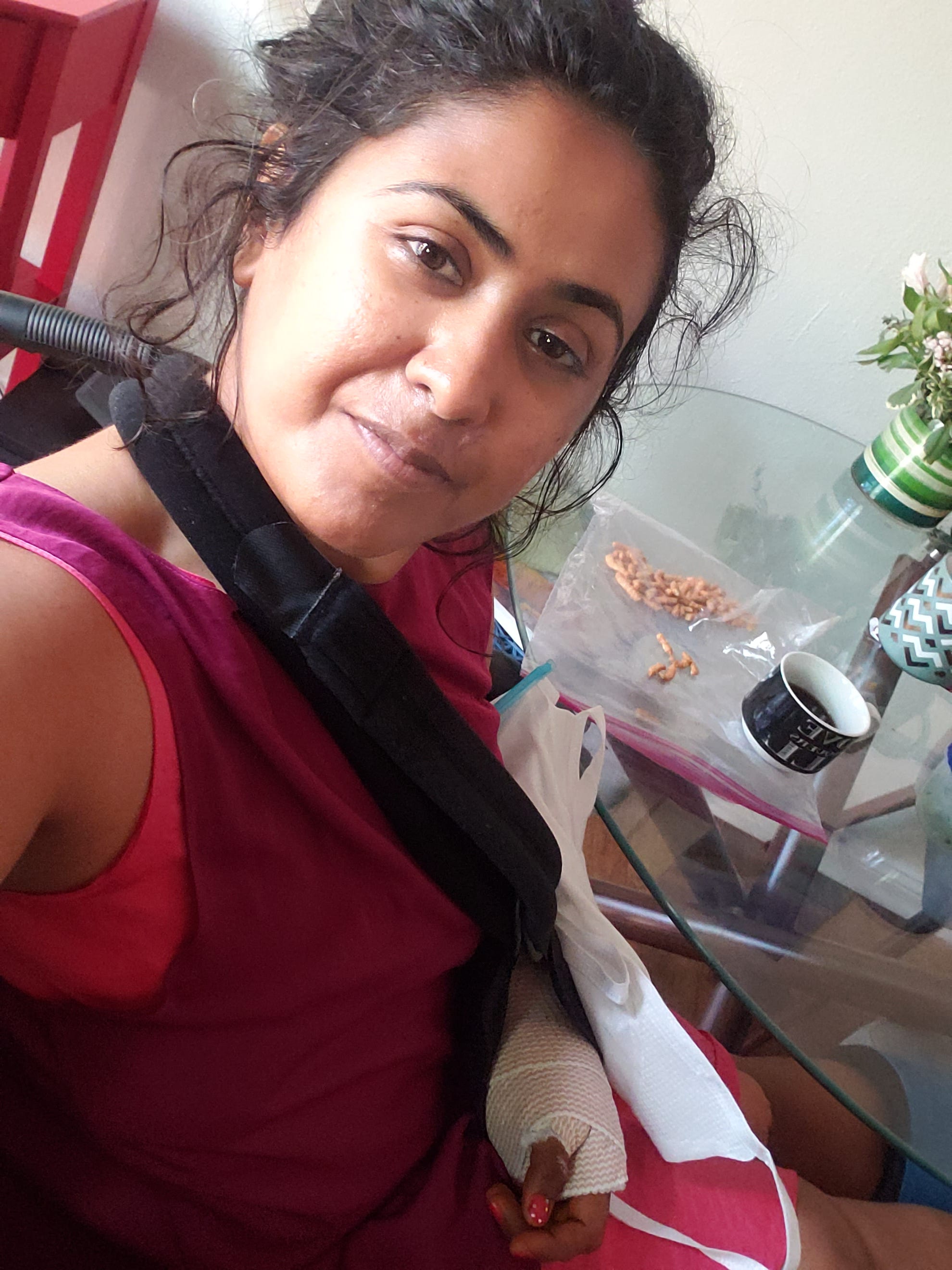
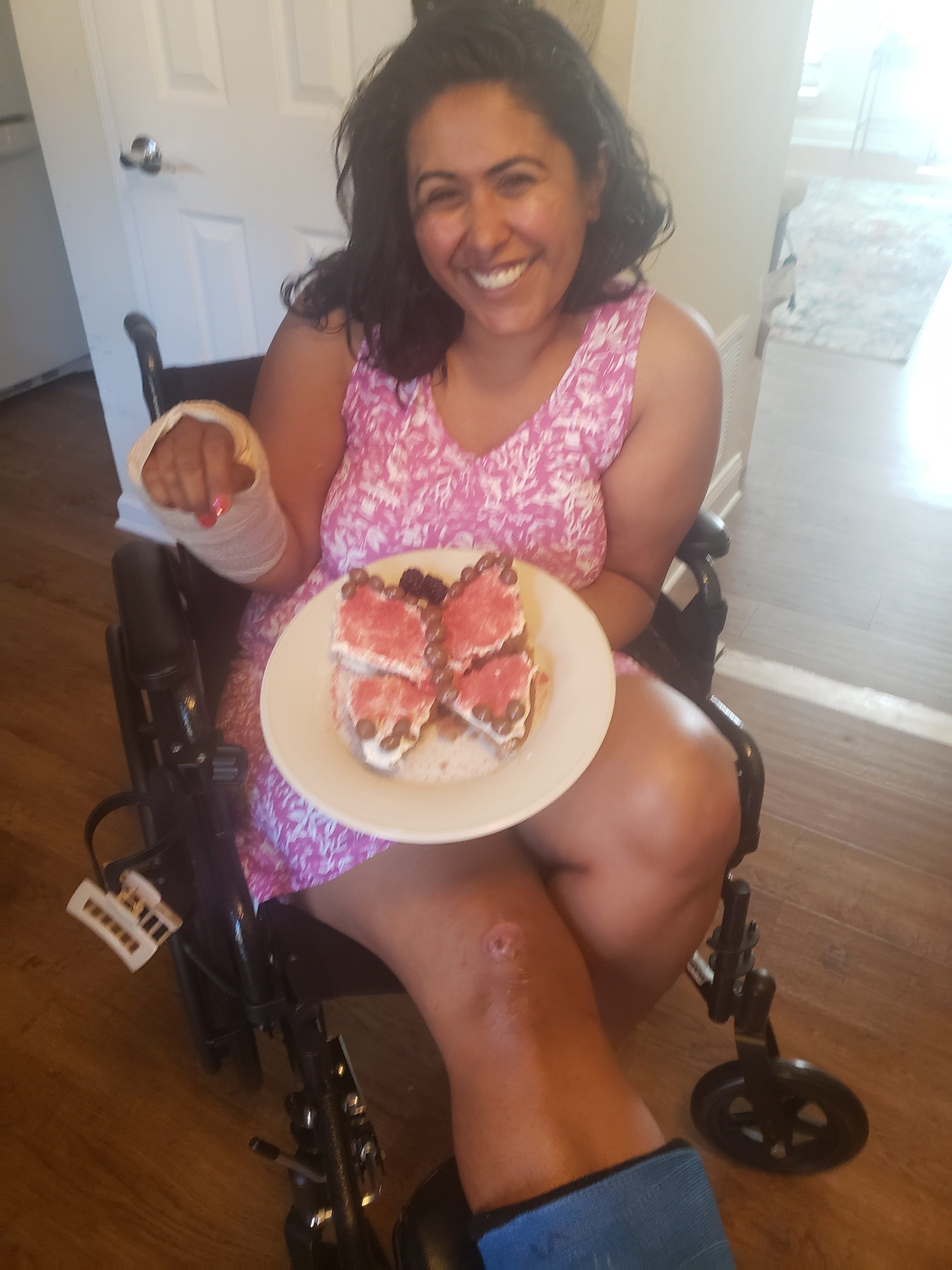
The pre-op conversation before I got metal screws in my wrist was distressing; it is not where you expect to get legal advice. On an early June morning in 2023, two weeks after my cycling accident, I was lying horizontal in a hospital gown with scars still raw on my face and my right ankle in a cast. A close friend stood by my side as a crew of nurses and assistants prepared me for surgery. They asked how I ended up with all this trauma. When they heard the details, they insisted I sue the parties involved. They urged me to consider the long-term cost of cracked teeth, broken bones, and therapy. They did not know this was the umpteenth time someone would tell me to take legal action.
They probably did not know I was a member of the legal profession; I have been an attorney since 2009. Their words, delivered with good intentions, activated my eye’s water glands. Their litigiousness within this space of healing made me sad. As a lifelong bleeding heart, I know the power (and pains) of litigation. I also recognize the corrosive power of lawsuits.
We live in an already disgustingly conflict-ridden society. I recognize the power of law and its historical use to reinforce the interests of the propertied class. One of the first court cases we studied in law school was an application of might versus right (conveniently convoluted as the Discovery Doctrine). The entire Trumpian empire, for example, uses the law as a shield for accountability, immorality, and to sow discord. There is a better way.
Knowing what action to take in a disaster or conflict can be difficult. In such cases, large-scale event organizers should maintain liability insurance. Would the costs of such a policy be borne by everyone else? I am not certain that our community could operate under this type of constraint. In consideration of our community, what would a lawsuit do? It would likely quell the desire to lead rides. Would it deter reckless or negligent actors? I doubt it.
When we act in community, we operate in a place beyond capitalism's calculated contemplations. The cycling community is a gift society. The beauty of the shared group ride is shrouded in communal care. The M+M ride organizers set up a GoFundMe for my medical expenses. They worked with me to increase the campaign's goals when we learned more about my injuries.
The corollary to the ability to ask for help is the capacity to give. In this sense, we keep the flow of goodwill going with a sense of reciprocity. Somewhere in there, we must hold space for grace. In the aftermath of my wreck, I found only the heart to write about my concerns. To a group and community that gave me so much, a lawsuit would have negated the kindness, support, and consideration shown to me.
In some ways, one individual’s carelessness was a cost borne by an entire community. Not long after my wreck, I met with the guy whose tricks led up to my accident. He looked torn up about his actions. As he sat across my dining table, I asked him what his idea of accountability was. He stayed silent. Though we had met only a few weeks before through mutual friends, I could tell he needed grace.
To this day, cyclists lament the end of M+M. While that ride no longer rolls, many other Monday night rides have cropped up to fill the void. Each of these ride leaders is giving a gift to the community. What impact would litigation have had on this generosity? Besides a potential pecuniary benefit to me alone, what would have been the actual costs of legal action? I did not want to participate in that harm. It would be like looking a gift horse in the mouth.
Our national culture seems to train us to become litigious monsters seeking every opportunity to avenge a slight. To forgive and act with grace, in this time, meant to avoid enacting further harm. Blame-shifting has limited utility in providing care. The genuine concern is to look for a bigger solution behind our litigiousness. What would it look like if we didn’t have to fight each other over the cost of quality health care? I do not believe slapping my colleagues with lawsuits would do anything to prevent future fuckups.
Ultimately, the capacity to give and share keeps the flow in the community. In writing about my wreck, I elevated concerns to potential cyclists in these groups. This helped raise awareness and created changes in ride planning. Yet, it left enough space for others to plan and lead rides. This community brings me too much joy NOT to share. It is the generous spirit of giving that inspires a return in reciprocity.
I truly appreciate hearing your thoughts and understanding your feelings about this (I'll admit that I, like many people, have been curious). I love the generous spirit and respect for the power of community that you bring to everything in life - including big decisions like this one!