Privilege & Place
Making Space

In one of my past lives, I walked up alone to a dinner reservation at a fancy restaurant in Charleston, South Carolina. The hostess and bar staff there looked confused to see me. Only when my 6’4” blonde-haired Southern (now ex-) boyfriend stood by me did they begin the effort of hosting. We were offered a plastic smile, a greeting, and then a table.
Over time, I observed how David’s presence, his tall, pale, sun-kissed Irish complexion, made a world of difference at the hostess stand of Charleston restaurants. The demeanor and availability of tables changed as David entered the space. Service became attentive, instead of lackadaisical. It took several iterations of this before I could dare call it privilege. The many ways in which restaurants, police, and the public interacted with David were a confirmation of the privilege of being white in the American South.

W.E. DuBois used the idea of privilege to talk of social advantages enjoyed by poor white Southerners. Later, the concept gained wider application in the work of a feminist scholar. Privilege can be defined as the unearned access or advantages granted to specific groups based on social group membership, often based on race, social status, and money.
For me, encounters within the cloister of privilege often seemed like an accident. I did not grow up in the position of being a frequent customer at fine dining restaurants. The comfort of dining out in today’s America is also the space of a privileged class. Most conversations on privilege focus on the dominant cultural privilege of being white, male, and cisgender. Geography, education, and money also play a role in the power games that confer some of us unearned preferential treatment.

Three years ago, when I returned to the American South from Tokyo, I wrote a piece on the passing of one of my maternal aunts. I have a large, extended global family. This aunt had recently been living in Tucker, Georgia. Though we were not the closest in spirit or relationship, we were essentially neighbors. This aunt had lived a life across two continents. Her grandkids were living a life kissed by the blessings of privilege in America. In probing their privilege, I realized that I, too, grew up with a silver spoon. The freedom with which I roamed along byways, parks, and public spaces came from privileges I took as a given. There is an unspoken social privilege kids carry when, on Halloween, they walk up to whichever home, in a costume or not, to trick-or-treat.
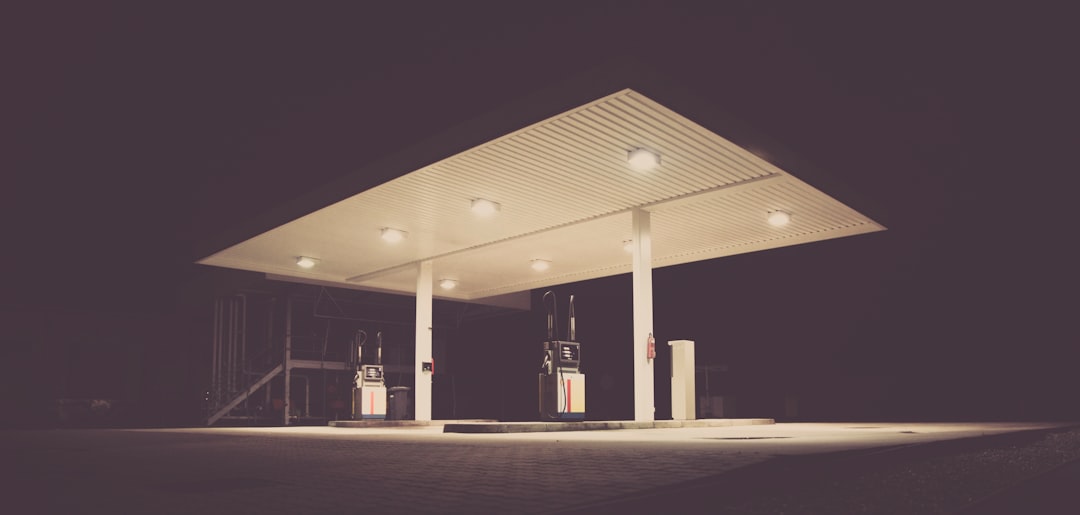
There is undoubtedly a privilege conferred by educated, hardworking parents that is often hard to pinpoint. When my family immigrated to the United States in the late 80s, their foreign medical training was not deemed worthy of practice in American clinics. To support their young family, my physician parents purchased and ran a combined convenience store & gas station on Stewart Avenue. This street, now called Metropolitan Parkway, was synonymous with prostitution, crime, and illegal drugs. One night at their Citgo, with a smattering of racial slurs, someone tossed a Molotov cocktail into my father’s car. The next day, my dad had to have a bulletproof glass window installed in the tiny convenience store on site.
Most of my life, I lived without the language to talk about the nuances of privilege. At times, I’m a sensitive introvert; I often observe behavior without actively creating ripples in action. It was largely in traveling outside of my comfort zone that I began to see how the various privileges overlap and overlay on one another.
Privilege extends to geography and passport. Anyone with an American passport has both this privilege and the ick of Trump 2.0 when they arrive at international customs and border checkpoints. As a traveler, I observed how power extends to whiteness, education, and a passport.
Nationally, the rhetoric suggests that America’s doors are being shut. The actions of ICE are a violent, ongoing, blatant effort to revive America’s racism. It would look
like the country is out to retract the invitation of Lady Liberty.
As a member of a global diaspora, I see firsthand the corrosive impact of capitalism, racism, and prejudice. Often, it is easier to see the antagonism of privilege, directly: oppression, than lack of privilege. In Tokyo, I felt this readily upon seeing a “No English Menu” sign outside a popular restaurant. In my desire to know, heal, and overcome the vestiges of these forms of social domination, I have tried to parse the nuance of the divisive effects of such prejudice. Collective liberation requires our courageous hearts to open the door where privilege would limit access.
There are still those who demand another way. It may be rare for people to actively hold the door open for others. When they do, it can be imperfect, misguided, or
backfire. I came to this understanding over and over again. In the past year, when
an individual I welcomed to many circles intentionally stood in the way of extending the same spirit, I found myself at the limit of my compassion. Still, there is a part of me that hopes and looks to find a better way.
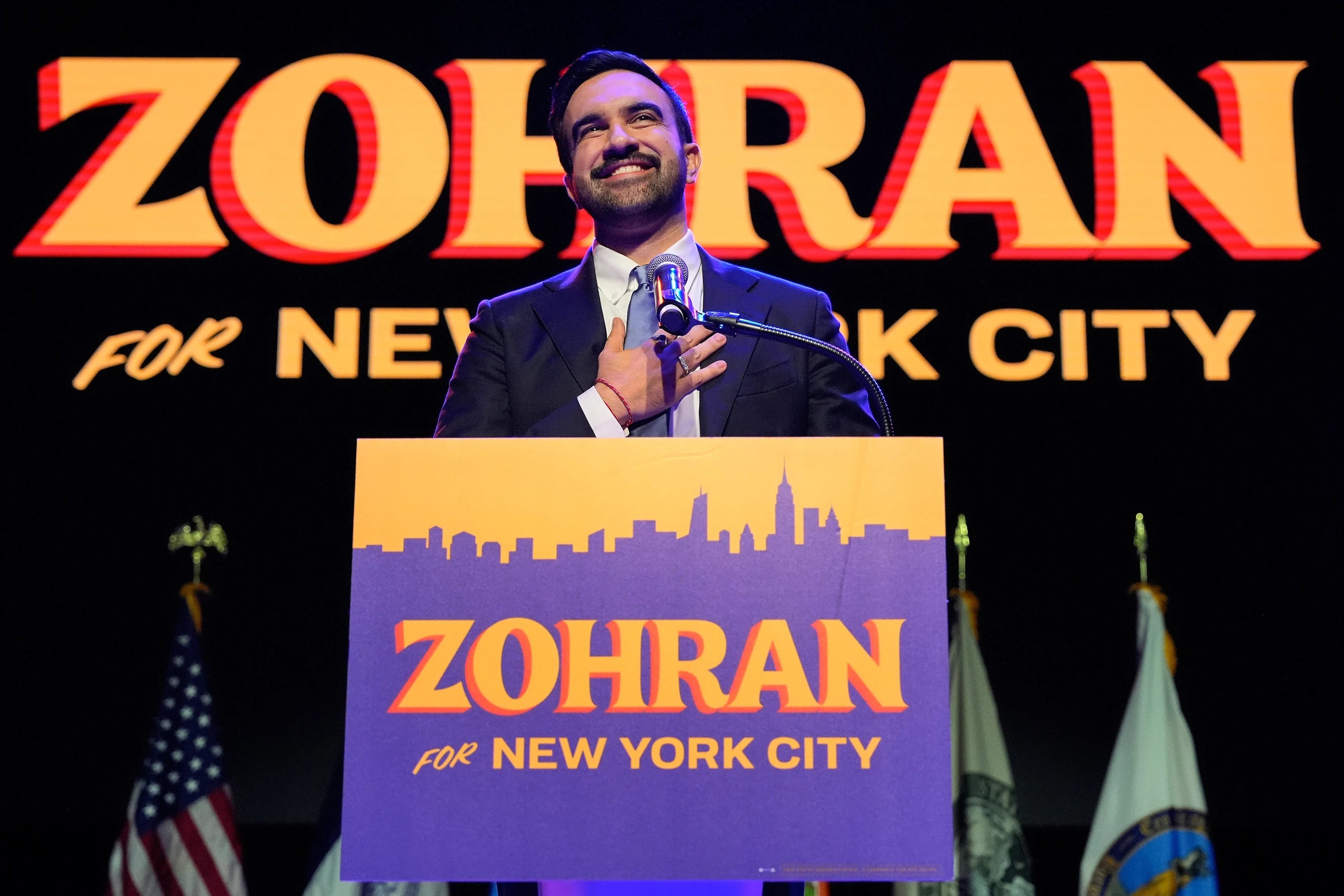
At the threshold, there are people in the doorway whose value systems must be fundamentally different. In place of the individualism and smallness at the heart of capitalism, some hold that sharing with others does not take away from us. That sharing with others makes our world bigger. It is in these individuals that I find hope in the future. This may explain the beauty I see in Zohran Mamdani’s campaign to be NYC’s mayor.
In turning with kindness, generosity, and openness, some will help turn the ugly workings of capitalism on its head. I find myself grateful and impressed by the worldview of those expanding the circle of inclusion. On rides, I admire and respect those who actively aim to grow diverse communities. Within the world of Alchemy, the initiative to offer tickets to BIPOC or the differently abled people suggests that community leaders see the need for opening the experience to those without the same privileges. Where there are people who want to extend the benefits of their privilege, I see a quietly revolutionary response required to meet the moment.
Another thought-provoking piece, Sabrina!
I really enjoyed reading this piece Sabrina.