Messy Things
AKA feelings

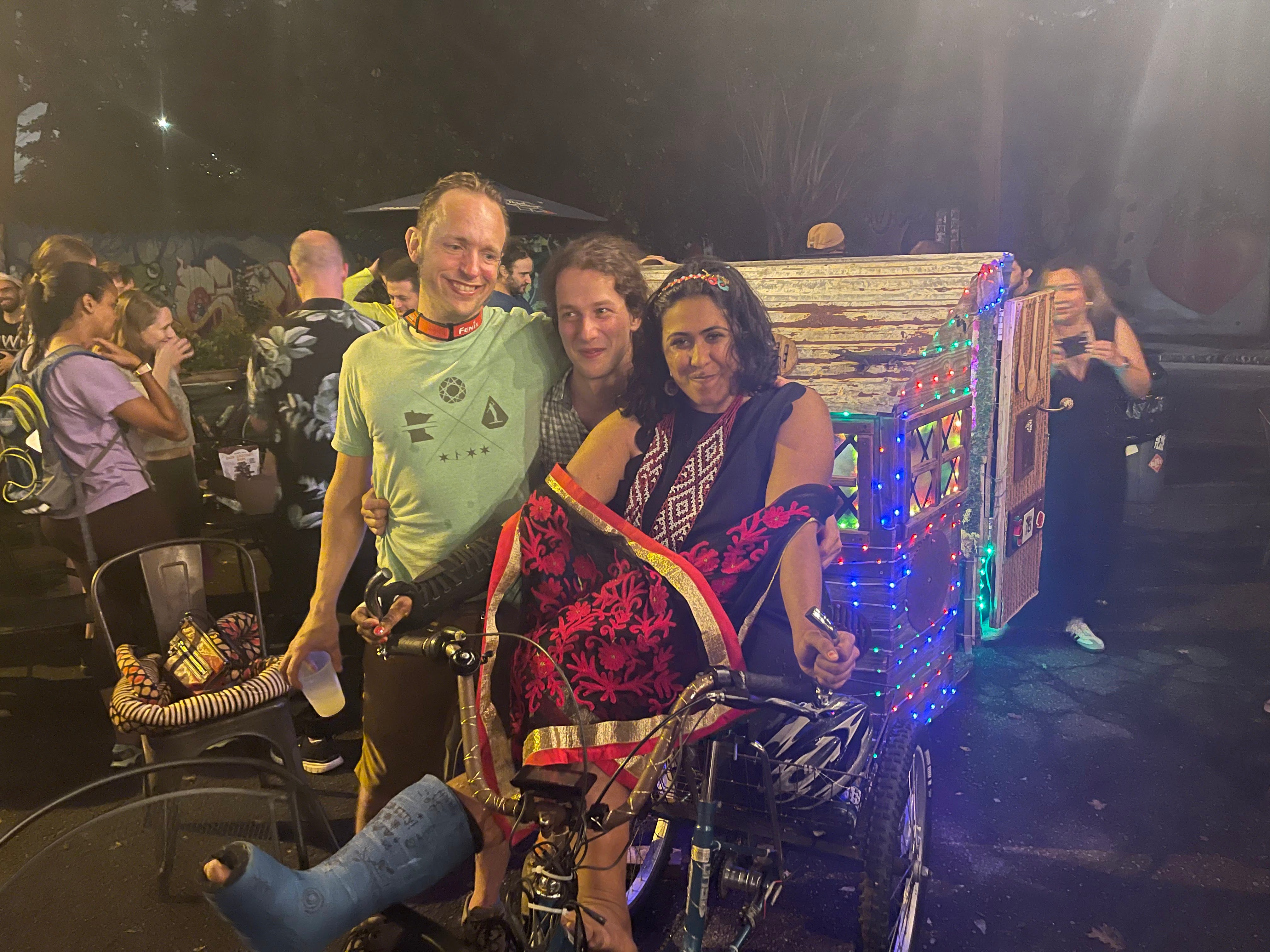
Two days after my somber June 12th birthday, I was reunited with my cycling family in an epic parade. Though I am mobility-limited, I had the best birthday celebration ever. My friend Buddy, biker, burner, and human extraordinaire, arranged an artistic disco bike carriage to cycle me along on a special edition MidWeek Roll. An enormous effort was made to keep the arrangements secret, and the results were amazing. I was astonished. That night, I saw many familiar faces on the ride and replenished my spirit with plenty of hugs at Estoria. I was constantly asked these two questions in conversation: `How is your recovery going?` followed by `How is the pain?` Every day of recovery cannot be a disco ride and parade. It has now been a full month since my accident. I am, indeed, confronting tough pains.
The nerves in my wrist, ankle, and jaw tingle sporadically. When it is awful, I pop a powerful pharmaceutical in my face, and after some time, that pain dissipates. The physical pain is manageable. The biggest pangs of pain have been harder to pinpoint. I feel a messy ball of painful emotions between my heart and spirit. There are no pills for that hurt. Some feelings have familiar names: grief, sadness, longing, and anger. Within them, I feel all sorts of other unnamed knots. I grew up chastised for being too sensitive. My sensitivity demanded a defensive push away from others who could be carelessly callous or cruel. For much of my childhood, I played alone. I would trespass neighbors' yards and follow creeks and ponds across subdivisions. In nature, I found peace. My other solace was diaries. I managed big emotions early by writing, scribbling, and doodling. Since my accident, getting into nature and manually writing has been difficult. With my usual coping mechanisms harder to access, I am seeking new relief.

In my first post, I alluded to flashbacks to my 2008 trauma. [TRIGGER WARNING: Suicide.] That was the other moment in my history when I was sideswiped by life. I was away at a hard-won internship at the World Health Organization in Geneva, Switzerland working on my dreams when I learned my father had passed away. I immediately returned to Atlanta for his funeral and discovered that my father had taken his own life. The emotional whiplash I had was called PTSD by my therapist. Around the decade anniversary of my father's death, I finally mustered the courage to try living abroad again. It was there, in Tokyo, that I first publicly shared the story of my father's death. It took courage to talk about such delicate matters in public. Doing so opened the door for many others to share with me. I found many other ex-pats dealt with PTSD, depression, anxiety, and turbulent emotions. From their experience and mine, I learned the importance of proactively seeking help and developing healthy coping mechanisms. (Surviving that trauma also gave me faith in my inner strength. I have the emotional resources to live through anything else life throws at me).
With this knowledge, and after a deep conversation with an emotionally intelligent cyclist in my midst, I started looking for a therapist soon after returning from the hospital. The hurdles to finding help are an indictment of our American healthcare system. To find a therapist covered by my insurance, I must have called 15+ providers. One group practice had me fill out a 27-page questionnaire BEFORE scheduling an appointment. Imagine if you were really depressed. How could you face so many questions before retiring in anger and disgust? Just looking at that number would be enough to turn me off. After honestly completing the questionnaire, I was rejected for an appointment. It took me about two weeks after that rejection to get the energy to call other hospitals and offices. Between the wrong numbers, disconnected lines, and `no longer in network,' and a provider `who moved to Puerto Rico years ago,` I had an enormous search for the right therapist (who by this point was ANYONE who would talk to me).
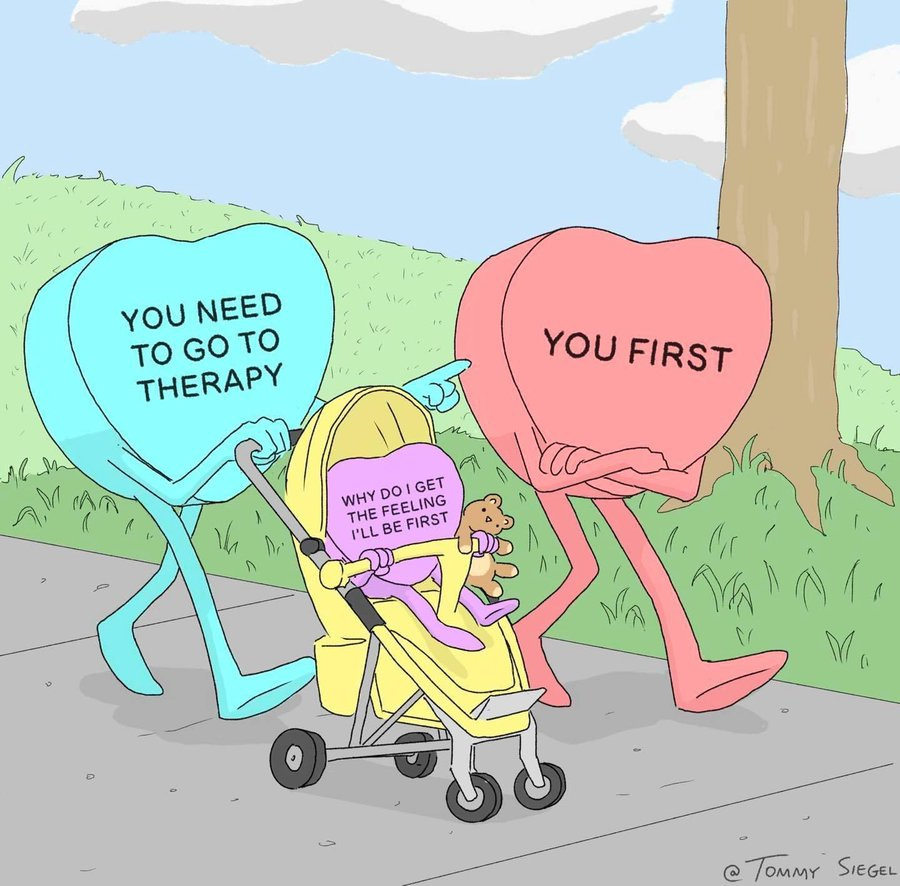
Finally, about three weeks into looking, I had the opportunity to talk to a therapist. By chance, my first session was perfectly timed after a rough June 12th and before a huge celebration. I shared how I cried unexpectedly when a friend brought his bicycle into my living room. I discussed with the therapist the announced end of M+M's Monday rides and my fear that I would be associated with canceling the city's favorite group bike ride. I shared my frustrations from the sudden change from being an independent solo traveler to my current wheelchair-based movements. There are no easy solutions to internal emotional pain. Still, a healthy container and space to talk about feelings make all the difference for me.
The contrasts between my past trauma and my current situation are stark. When I returned to Atlanta from Geneva in 2008, I had no local support network. I stayed with my immediate family during that time, which exacerbated my tensions. Now, I have a world of support and my own residence. When I had PTSD, though my body was capable, I could not muster the emotional energy to go to nature. Now, at the very least, I can wheel myself to my back patio and watch sly squirrels squabble over bird food. I no longer turn to chemical enhancements to deal with emotional pain. I have learned the value of meditation and breathing techniques. Instead of writing with my right hand, I now use voice-to-text to create journal entries.
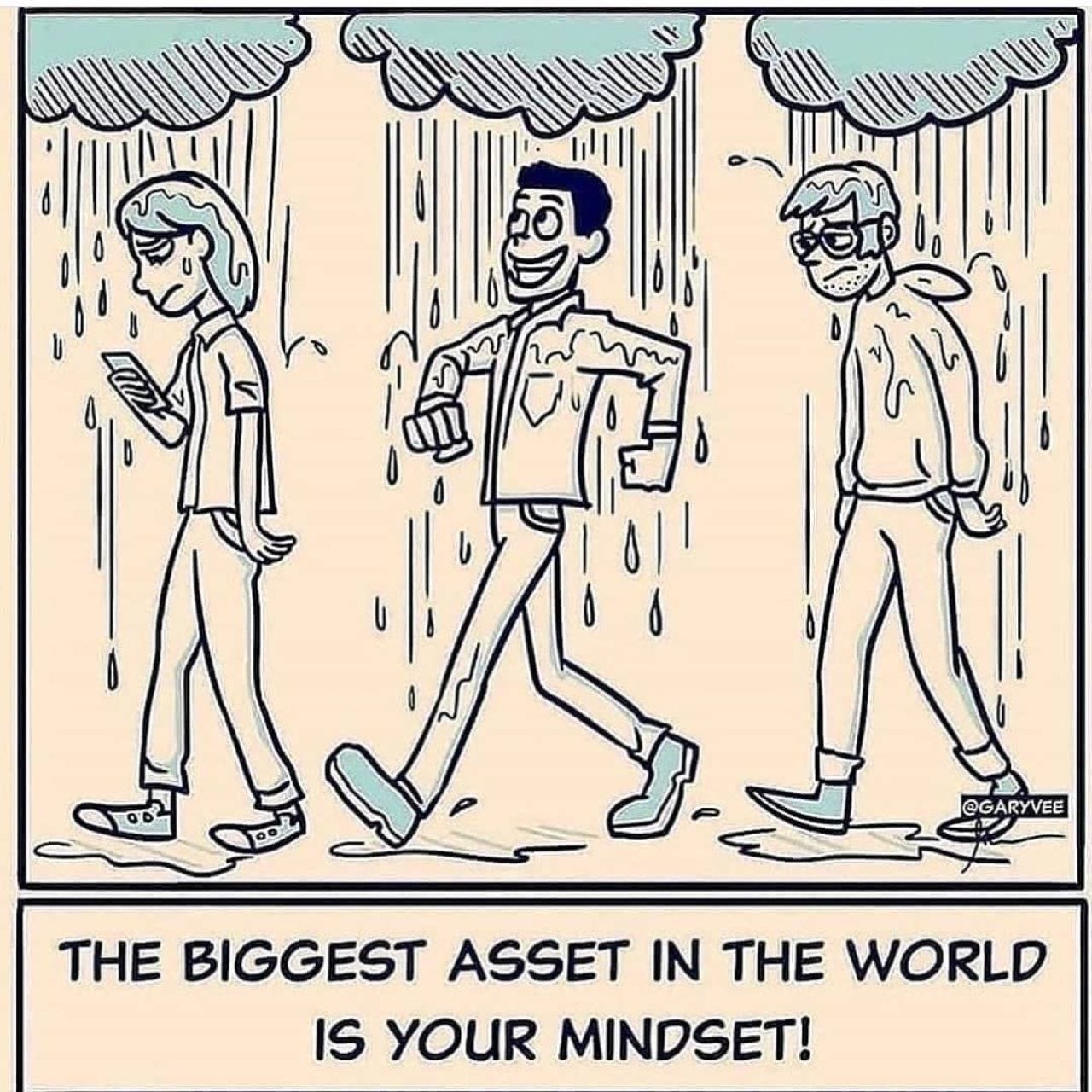
Anyone else could have been in my place during that freak accident on May 15th. Through discussions with witnesses of that incident, I know many others were traumatized by what they saw. One person suggested that this accident has brought a moment of reckoning to the Atlanta cycling community. As I have started to voice my medical and personal healing, old and new friends have unfurled their hearts with me. I consider these newsletters as a mutual form of relief. I learned that several others are going to therapy. I applaud anyone working to improve their inner lives. Ultimately, I welcome conversations about uncomfortable topics. As an empath, a constant mediator, and a liaison, I feel empowered to share my experience in the service of others. I know that my cycling community and I will rise from this situation. My spirit and the Atlanta group cyclists will mend our ways as my body repairs itself. I anticipate we will all emerge stronger on the other side of this crucible.