Bridging the Racial Divide
Is cycling segregated in Atlanta?

This year’s Atlanta Cycling Festival included a wide range of rides. We had a ride for murals, for donuts, and even for those wanting to flirt on two wheels. In a nod to understanding the city, the organizers arranged a panel discussion on segregation and equity. On a post-ACF ride, some Atlanta cycling elders were hanging out and talking about the perceived segregatedness of the Atlanta cycling community. Their conversation reminded me of the moment that I learned, during the 2024 ACF, that another cycling festival was happening on the west side at Gordon White Park. The target audience was different. How do we make sense of these different cycling circles?
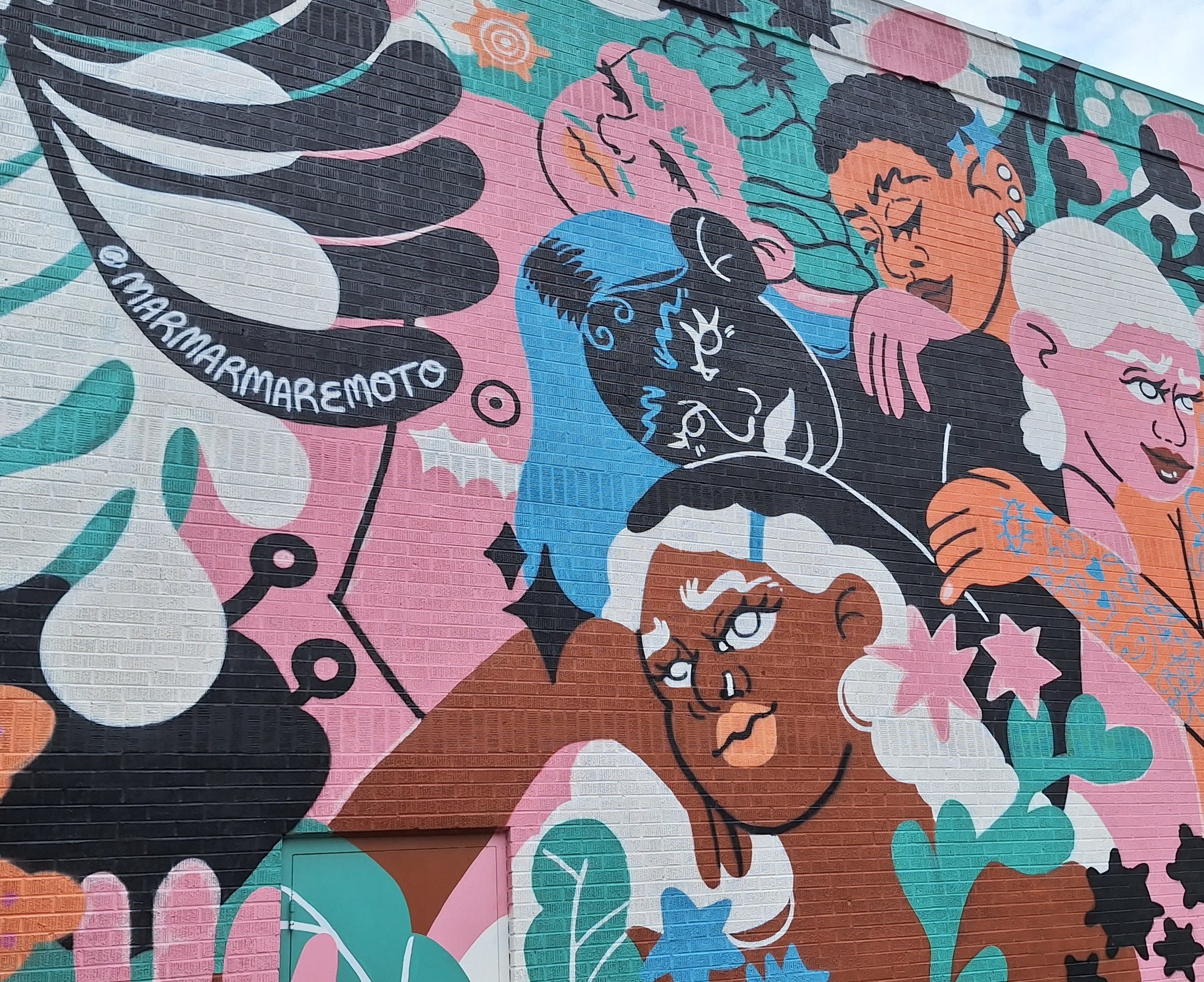
Indeed, the Atlanta cycling community can seem pretty segregated. It is not separated by official rules (de jure, by law) but by individual riders' decisions (de facto). Though Atlanta is called the black Mecca, our social spaces are not immune to the power dynamics inherent in our national culture. Trickles of white supremacy culture exist in our social lives, workplaces, and even our domestic relationships. This is not a ding on any individual. It is, however, a good moment for sincere examination of our blind spots and our room to grow. What can we do to bridge racial divides? How can we welcome others to our social club? We can do that by becoming aware of the various reasons there is segregation in our cycling community.
We all want places to feel comfortable—a place to feel safe, and where we feel we belong. That safety is not natural because of the aggregate effects of our history, power structures, and unexamined biases. Invariably, being clear on a trajectory and being woke means utilizing the tools of decolonization and liberation to create a more connected and kind community. Social belonging and being treated with dignity are not equally meted out in our cycling circles. It is easy to overlook what would bring someone else comfort and safety. While we want diversity, it may be good to note the various ways race-awareness meets at the intersection of privilege. With understanding and nuance, we can find ways to bridge the divide.
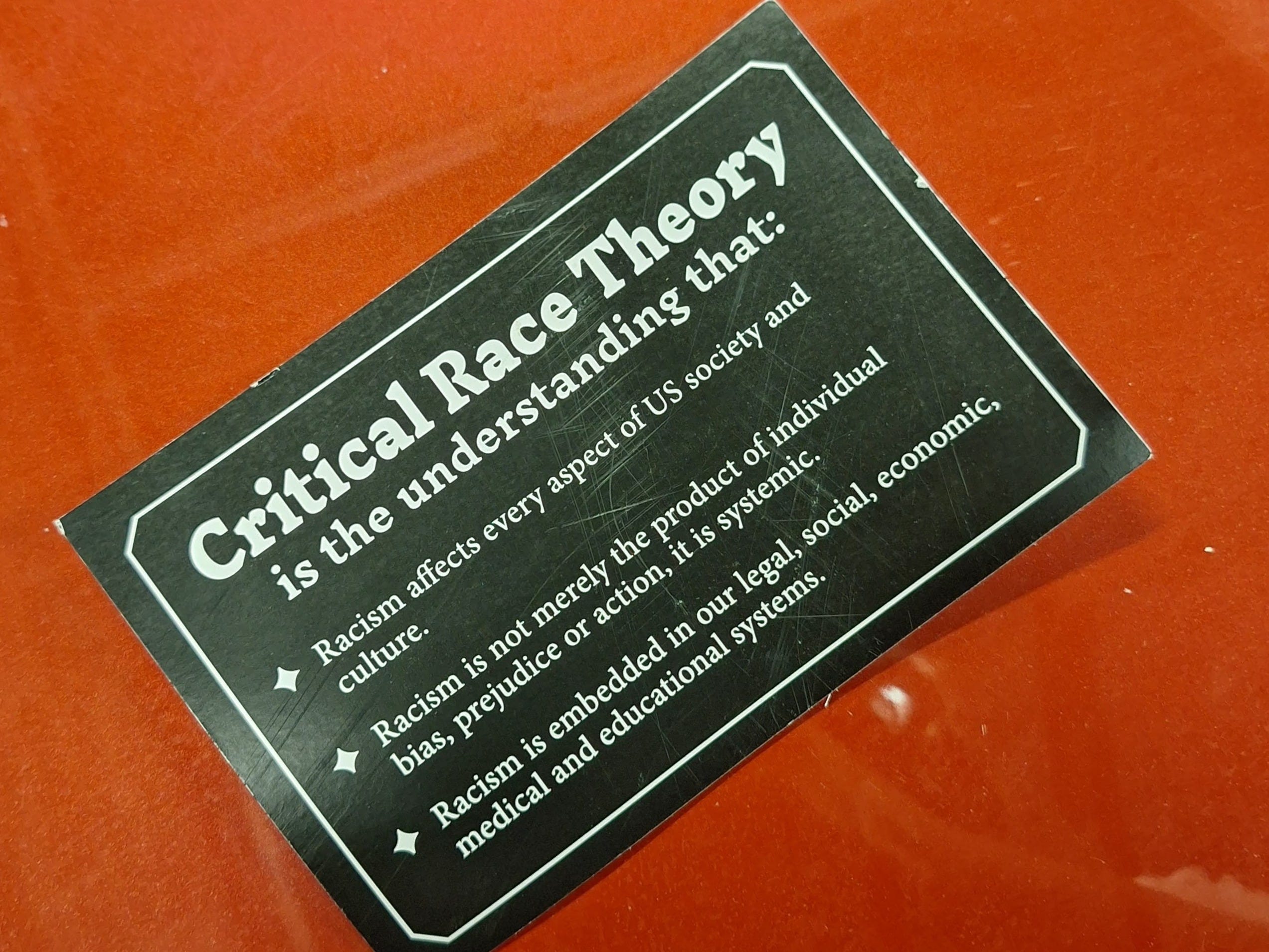
I come to this discussion with the lived experience of a brown body and a soft heart. With the eyes of a newer Atlanta cyclist, and with over 30 years of calling this place my hometown, I sense we can continue to connect across an uncomfortable history. Part of this requires facing the consequences of our past. Critical race theory provides tools to analyze power structures and develop the capacity to interrogate them. When it comes to understanding the racial divide in our cycling community, we can begin by considering how black and brown bodies are treated in public spaces.

National History
One of the easiest places to see the American advantages of whiteness is in the types of physical infrastructure available in predominantly white neighborhoods. Metropolitan areas across the country are shaped by intentional racial segregation at the hands of the federal government. This short video, Segregated by Design, was developed from the work behind The Color of Law, a book inspired by the failings of the US Supreme Court to understand the history of intentional federal segregation.
The national consequences of neighborhood development are further magnified by the City of Atlanta’s policy choices, which overwhelmingly created gentrification, displacement, and further racial inequity. Dan Immergluck’s book Red Hot City sheds light on the underdevelopment of Atlanta’s predominantly black communities. As a cyclist, these are evident for those with the eyes to see. There is less street lighting, fewer bike lanes, and safety infrastructure. In Atlanta, I challenge you to ride along the Prado of Piedmont Park. Compare that to the greenest street you can find on the Atlanta westside.
Racial Power Structures
Within a group, different people will have various levels of comfort and different consequences from minor rule-bending (trespassing, for example). The color of our skin magnifies the differences in potential reactions, from authorities or motorists. The Movement for Black Lives underlines this ongoing discrepancy. Our riding behaviors reflect the power structure that is ever-present.
We, individually, as cyclists, have various degrees of comfort when taking the lane. When I recently rode with a primarily black group of cyclists, I noticed a preference for using the bike lane. Others may feel safest to take the whole lane even when a bike lane is present. Underneath our external visible behaviors, we carry internalized power structures in our world.
Who has the ability to cork is another example of these dynamics at play. When someone corks, they put their individual body and bike in front of oncoming traffic, and ask the car driver to pause as a group of cyclists rides by. The ability to cork is an exercise in the power dynamics of car versus bike. Not every body will have the same power to cork.
Just a few months ago, a close friend of mine experienced the brunt of this power dynamic while cycling with his wife. They are both of Indian origin and were physically assaulted while riding bikes in their midtown Atlanta neighborhood. A motorist got out of their car, threatened to hit them, and then returned their car and proceeded to reverse the car into this cycling couple. This was intentional, and no police action was taken against the motorists. Possibly, no assault would have taken place if the couple were white. Perhaps the police would have helped track down the motorist if the power dynamics were skewed differently. Unfortunately, there are uncountable instances of similar aggression on the road for cyclists of color.

Unexamined Privileges
Beyond the physical structural differences, bridging a cultural divide requires nuanced understanding of socially reinforced elements of white supremacy culture that trickle into our leisure choice. Curious to check out your own biases? There are some interesting online quizzes to help you see your own. By directing the power of our awareness, we can examine the contours of our personal lives that are shaped by power dynamics resulting from white supremacy culture. This isn’t simply in the world of bikes, but everywhere. These dynamics can also get in the way of our racial intermingling. People invariably socialize where they feel comfortable. What social reasons could help color our understanding of our separate cycling circles?
I suspect many of us send out micro-aggression missiles without realizing it. I have heard and seen cyclists participate in culturally unaware aggression on bikes. Of course, this privilege goes beyond race and includes class, status, education, and various social power dynamics. Smiling to put others at ease is a common American social pressure. Performative smiling is a form of socially mandated niceness. It is commonly asked of people of color that we smile to put others at ease; it becomes exhausting.
My personal pet peeve is tone-deaf and aggressive questioning. Insisting and demanding answers of a stranger can come off as culturally and socially unaware. It can easily relate to a history of being “made” to earn your space; as if you are not already entitled to belong. I once addressed the persistent, “where are you from?” in a blog post. As I write and mention these nuances, I anticipate also the inability to receive critical feedback. The combined economic and social implications of our culture demand that we process and acknowledge different forms of sharing. Our intentions can be good; our actions can be better. Even within my Indian community, colorism and the baggage of white supremacy demand reflection and reform.
We all self-select our leisure activities. As a group ride, our interactions with motorists, authorities, and one another are very different from our individual exchanges on the road. These various dynamics are at play everyday we visit 97 Estoria for a group ride. In a more sensitive environment, we can have a place to check our privilege, entitlement, and cultural context.
Next time you bring yourself into a dynamic community, pause to think about the various privileges at play. Perhaps you could enlighten a Karen to consider why street lights and cycling infrastructure are unequally distributed around Atlanta. An answer that could help deliver her from an unexamined future in the throes of privilege. I sincerely believe we do have the potential and power to connect with others. It begins with a deeper understanding of how our national history of white supremacy, our local power structures, and our unexamined bias affect the ways in which we interact with one another.
